

How ERP Software Improves Financial Management for Businesses
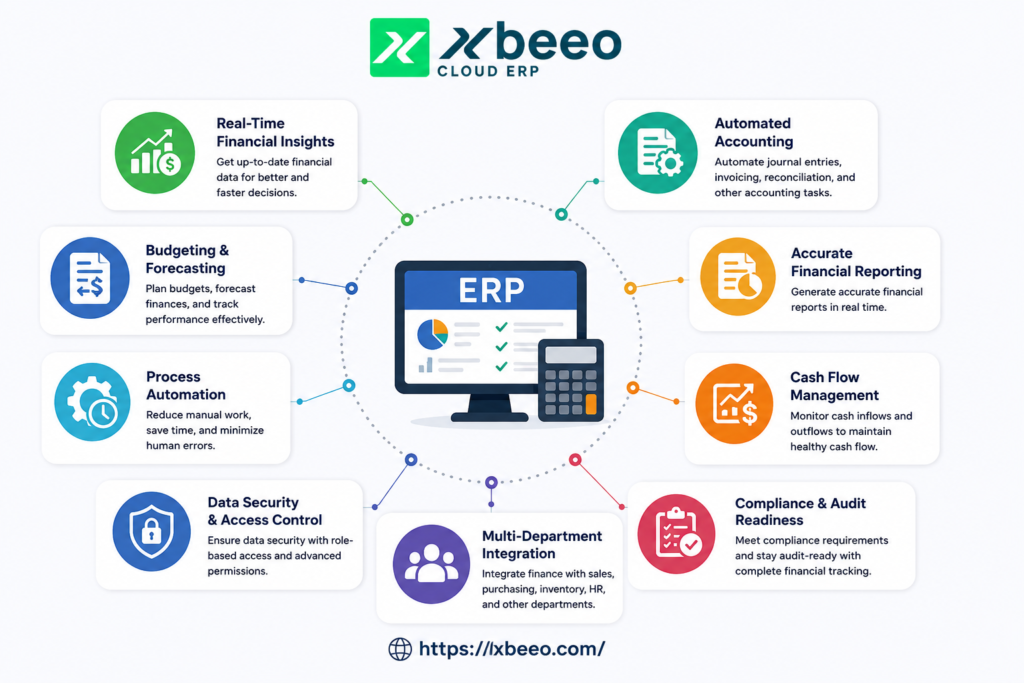
Managing business finances requires more than recording transactions and preparing reports. Organizations need accurate financial data, timely insights, and well-defined processes to control expenses, maintain cash flow, and support informed decision-making. As businesses expand, many begin searching for a Cloud Based ERP provider in Pakistan that can bring financial processes together within a single platform. Without an integrated system, finance teams often spend valuable time reconciling records instead of analyzing business performance or planning future growth.
As businesses expand, financial operations become increasingly complex. Sales, procurement, inventory, payroll, and accounting all generate financial data that must remain consistent and up to date. Without an integrated system, finance teams often spend valuable time reconciling records instead of analyzing business performance or planning future growth.
An Enterprise Resource Planning (ERP) system addresses these challenges by connecting financial management with every major business function. Instead of relying on disconnected applications, organizations work from a centralized platform where transactions are recorded automatically, financial records remain synchronized, and reporting becomes faster and more reliable.
In this guide, we’ll explore how ERP software improves financial management, the challenges it helps solve, and why integrated financial processes play a vital role in supporting sustainable business growth.
Why Financial Management Is Critical for Business Success
Financial management forms the foundation of every successful business. It influences daily operations, long-term planning, investment decisions, and overall profitability. When financial information is accurate and readily available, business leaders can monitor performance, manage expenses, and respond quickly to changing market conditions.
Many organizations face challenges because financial data is stored in different systems across departments. Sales, procurement, inventory, payroll, and accounting often operate independently, making it difficult to maintain consistent records. Finance teams may spend significant time reconciling transactions, verifying figures, and preparing reports instead of focusing on strategic planning.
As business operations become more complex, these disconnected processes increase the risk of reporting delays, duplicate entries, compliance issues, and budgeting errors. Even small inaccuracies can affect cash flow management, financial forecasting, and decision-making across the organization.
An ERP system brings these financial processes together by creating a single source of reliable business data. Every transaction recorded in purchasing, sales, inventory, or payroll automatically updates the financial records. This improves accuracy, reduces manual reconciliation, and provides finance teams with real-time visibility into the organization’s financial position.
How an ERP System Enhances Financial Performance
A modern ERP system does more than automate accounting tasks. It connects financial management with every major business process, allowing organizations to maintain accurate records, improve reporting, and make better financial decisions. Below are some of the key ways ERP software strengthens financial management.
Centralizes Financial Data
One of the biggest challenges businesses face is managing financial information stored across multiple applications or spreadsheets. Different departments may maintain separate records, making it difficult to obtain a complete view of financial performance.
ERP centralizes financial data within a single platform. Transactions from purchasing, sales, inventory, payroll, and other departments automatically update the financial system, ensuring every team works with accurate and consistent information.
Automates Routine Financial Processes
Manual financial tasks such as journal entries, invoice processing, payment tracking, and account reconciliation require significant time and are prone to human error.
ERP automates repetitive financial activities using predefined workflows. Automation reduces manual effort, improves accuracy, and allows finance teams to focus on budgeting, forecasting, and financial analysis rather than administrative work.
Improves Financial Reporting
Business leaders depend on accurate financial reports to evaluate performance and plan future strategies. When reports are prepared manually, collecting and verifying data often delays decision-making and increases the possibility of errors.
ERP generates real-time financial reports using live business data, allowing finance teams to access balance sheets, profit and loss statements, cash flow reports, and other critical insights whenever required. Businesses looking for dependable reporting software Pakistan can benefit from an ERP platform that delivers consistent, accurate, and timely financial information.
Strengthens Cash Flow Management
Cash flow plays a vital role in maintaining stable business operations. Delayed customer payments, unplanned expenses, and limited visibility into receivables and payables can make it difficult for businesses to manage their financial commitments.
ERP provides a complete view of incoming and outgoing cash. Finance teams can monitor outstanding invoices, payment schedules, and available funds from a centralized dashboard. Better cash flow visibility allows businesses to plan expenditures more effectively and reduce financial uncertainty.
Simplifies Budget Planning and Forecasting
Preparing budgets with incomplete or outdated financial information often leads to unrealistic forecasts. Businesses may struggle to allocate resources efficiently or respond to changing market conditions.
ERP uses real-time financial data and historical business performance to support more accurate budgeting and forecasting. Decision-makers can evaluate trends, compare actual results with planned budgets, and adjust financial strategies based on reliable information.
Improves Financial Compliance
Businesses must comply with accounting standards, tax regulations, and internal financial policies. Manual recordkeeping increases the possibility of missing documentation, reporting errors, or compliance issues during audits.
ERP maintains organized financial records and creates a complete audit trail for every transaction. Standardized workflows and automated documentation make it easier to meet regulatory requirements and prepare for internal or external audits.
Connects Finance with Other Business Functions
Financial performance depends on activities across the entire organization. Sales, procurement, inventory, production, and payroll all affect financial records. When these departments operate independently, finance teams often spend additional time verifying and reconciling information.
ERP integrates finance with every major business function. Transactions recorded in one department automatically update the financial system, ensuring consistent information across the organization. This eliminates duplicate data entry and improves collaboration between departments.
Supports Better Business Decisions
Successful financial management depends on timely access to reliable information. Delayed reports or incomplete financial data make it difficult to identify risks, monitor profitability, or evaluate growth opportunities.
ERP provides interactive dashboards and business intelligence tools that help managers analyze financial performance in real time. Organizations seeking advanced analytics software in Pakistan can use ERP to monitor key performance indicators, identify trends, and make informed decisions based on accurate business data.
Key Benefits of ERP for Financial Management
Implementing an ERP system delivers long-term improvements that extend beyond accounting functions. By connecting financial processes with the rest of the business, organizations gain greater visibility, stronger financial control, and improved operational efficiency.
Some of the key benefits include:
- Centralized financial information across departments
- Faster and more accurate financial reporting
- Improved cash flow visibility
- Automated accounting and reconciliation processes
- Better budgeting and financial forecasting
- Stronger regulatory compliance and audit readiness
- Reduced manual errors and duplicate entries
- Better decision-making through real-time financial insights
These capabilities help businesses improve financial performance while creating a stronger foundation for sustainable growth and long-term operational success.
Choosing the Right ERP for Financial Management
An ERP system should do more than record financial transactions. It should help finance teams work efficiently, provide reliable business insights, and support long-term growth. Choosing the right solution requires evaluating how well the platform fits your business processes today while remaining flexible enough to meet future requirements.
When comparing ERP solutions, consider these key factors:
- Integrated Financial Modules: Ensure the system connects general ledger, accounts payable, accounts receivable, budgeting, and fixed asset management within one platform.
- Real-Time Reporting: Look for dashboards and financial reports that update automatically as business transactions occur.
- Automation Capabilities: Select a solution that automates recurring financial tasks such as invoicing, reconciliations, payment reminders, and journal entries.
- Scalability: The ERP should support additional users, business units, and financial processes as the organization grows.
- Regulatory Compliance: Verify that the system helps maintain audit trails, financial controls, and compliance with applicable accounting standards.
- Integration with Business Operations: Finance should work seamlessly with procurement, inventory, sales, payroll, and customer management to eliminate duplicate data entry.
- Implementation and Support: Choose an ERP provider that offers structured implementation, user training, and reliable technical support after deployment.
Selecting an ERP platform that aligns with operational and financial goals allows businesses to improve financial control while creating a solid foundation for future expansion.
How XBEEO Supports Better Financial Management
Financial management becomes more effective when every department works with accurate and consistent information. XBEEO brings finance, procurement, inventory, sales, human resources, and other core business functions together in one cloud ERP platform, helping organizations eliminate disconnected processes and improve financial visibility.
Beyond automating accounting tasks and improving cash flow monitoring, XBEEO delivers comprehensive analytics and reporting software Pakistan capabilities that provide real-time dashboards, financial reports, and operational insights. This allows business leaders to evaluate performance, monitor profitability, and make faster, data-driven decisions with confidence.
Whether your organization operates in manufacturing, retail, healthcare, construction, distribution, or professional services, our team provides the tools required to strengthen financial control, improve operational efficiency, and support sustainable business growth.
Conclusion
Strong financial management depends on accurate information, efficient processes, and timely decision-making. As businesses grow, managing financial operations through disconnected systems or manual processes becomes increasingly difficult. Reporting delays, reconciliation issues, and limited visibility can affect both operational performance and long-term profitability.
An ERP system helps address these challenges by integrating financial management with every major business function. It automates routine processes, improves reporting accuracy, strengthens compliance, and provides real-time financial insights that support better business decisions.
Organizations that invest in an integrated ERP platform are better positioned to manage costs, improve financial performance, and respond confidently to changing business conditions. Modern financial management is no longer limited to accounting functions, it is a strategic capability that supports sustainable business success.
Frequently Asked Questions
How does ERP improve financial management?
ERP improves financial management by centralizing financial data, automating accounting processes, generating real-time reports, improving cash flow visibility, and connecting finance with other business departments through a single integrated platform.
Can ERP automate accounting processes?
Yes. Modern ERP systems automate tasks such as invoice processing, journal entries, account reconciliation, payment tracking, and financial reporting. This reduces manual effort while improving accuracy and efficiency.
Why is real-time financial reporting important?
Real-time reporting provides immediate access to current financial information, allowing business leaders to monitor performance, control expenses, evaluate profitability, and make informed decisions without waiting for manually prepared reports.
Which businesses benefit most from financial management ERP?
Organizations in manufacturing, retail, wholesale distribution, healthcare, construction, logistics, and professional services benefit from ERP because these industries require accurate financial reporting, operational visibility, and efficient resource management.
What should businesses consider before implementing an ERP system?
Businesses should evaluate their financial processes, integration requirements, scalability needs, reporting capabilities, compliance requirements, implementation approach, and the experience of the ERP provider. Choosing a solution that aligns with long-term business objectives helps maximize the value of the investment.
